


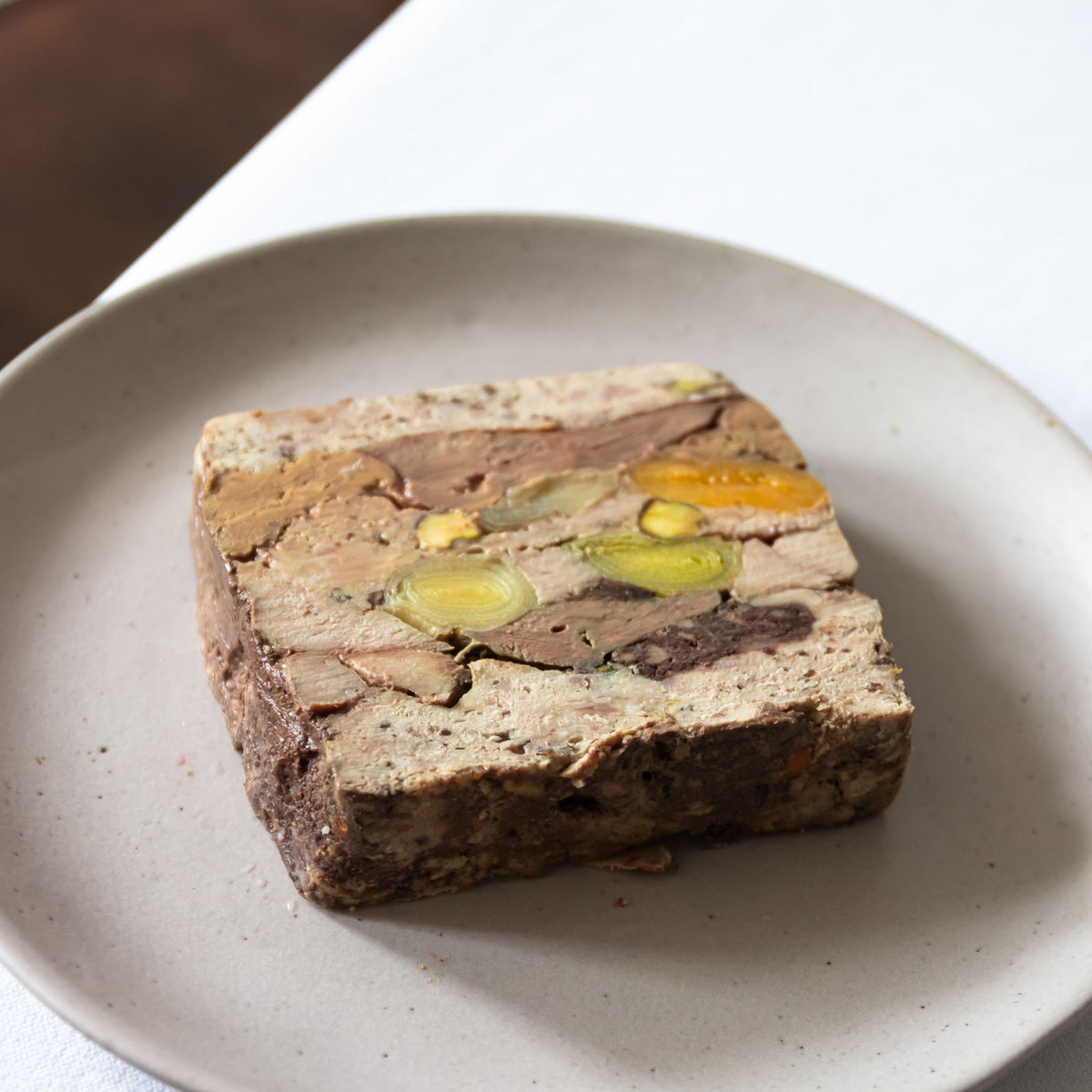
Mi-cuit foie gras terrine is the great classic of festive tables. Made a few days ahead, gently cooked in a water bath and then left to rest, it has an incomparable melting texture and pink colour. It takes a little method but no special technique. Here is our recipe for a lobe of about 500 g, enough for 8 to 10 people as a starter.
Ingredients for 8 people
Step 1
devein the foie gras
Take the foie gras out of the refrigerator an hour ahead so it softens. Gently separate the two lobes and remove the main veins by pulling them out carefully with the tip of a knife. Do not try to remove everything: over-deveining breaks up the liver.
Step 2
season and marinate
Mix the salt, pepper and sugar, then season the liver on all sides, including the inside. Drizzle with port or Sauternes. Cover and marinate for 12 hours in the refrigerator so the seasoning penetrates well.
Step 3
fill the terrine
Take the foie gras out an hour before cooking. Place the larger lobe in a terrine, smooth side down, then the second on top. Press down firmly with the back of a spoon to push out the air and get a flat surface.
Step 4
cook in a water bath
Preheat the oven to 100 °C (210 °F). Place the terrine in a larger dish filled halfway with hot water, at about 70 °C (160 °F). Bake for about 40 minutes. For a perfect mi-cuit, the centre of the foie gras should reach 55 °C (130 °F): a cooking thermometer is your best friend.
Step 5
press and rest
Take the terrine out of the oven and let it cool for 30 minutes. Pour off the fat that has risen to the top, then place a piece of cardboard cut to the size of the terrine on the foie gras with a light weight to press it. Refrigerate for at least 48 hours. The next day, gently melt the reserved fat and pour it over the top to protect the terrine.
Secrets of a perfect foie gras terrine
Weigh the seasoning to the gram: 12 g of salt and 4 g of pepper per kilo of foie gras. It is the chefs' rule, and it never fails.
Never cook too hot or too long. An oven that is too hot melts the foie gras and makes it grainy. A probe thermometer avoids any bad surprises.
Respect the 48-hour rest. That is when the flavours meld and the texture becomes silky.
No time? Ready-to-serve foie gras
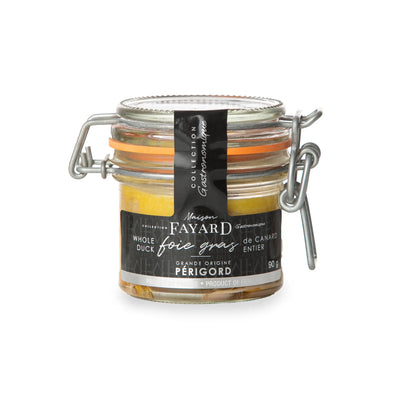
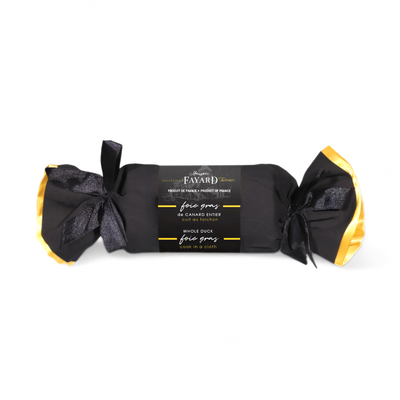
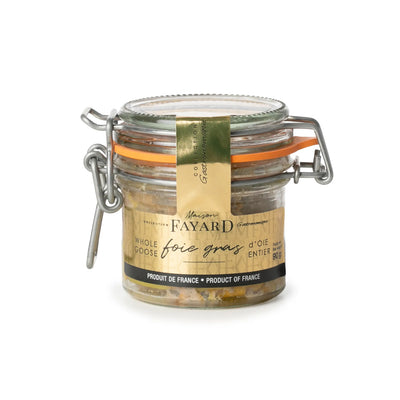
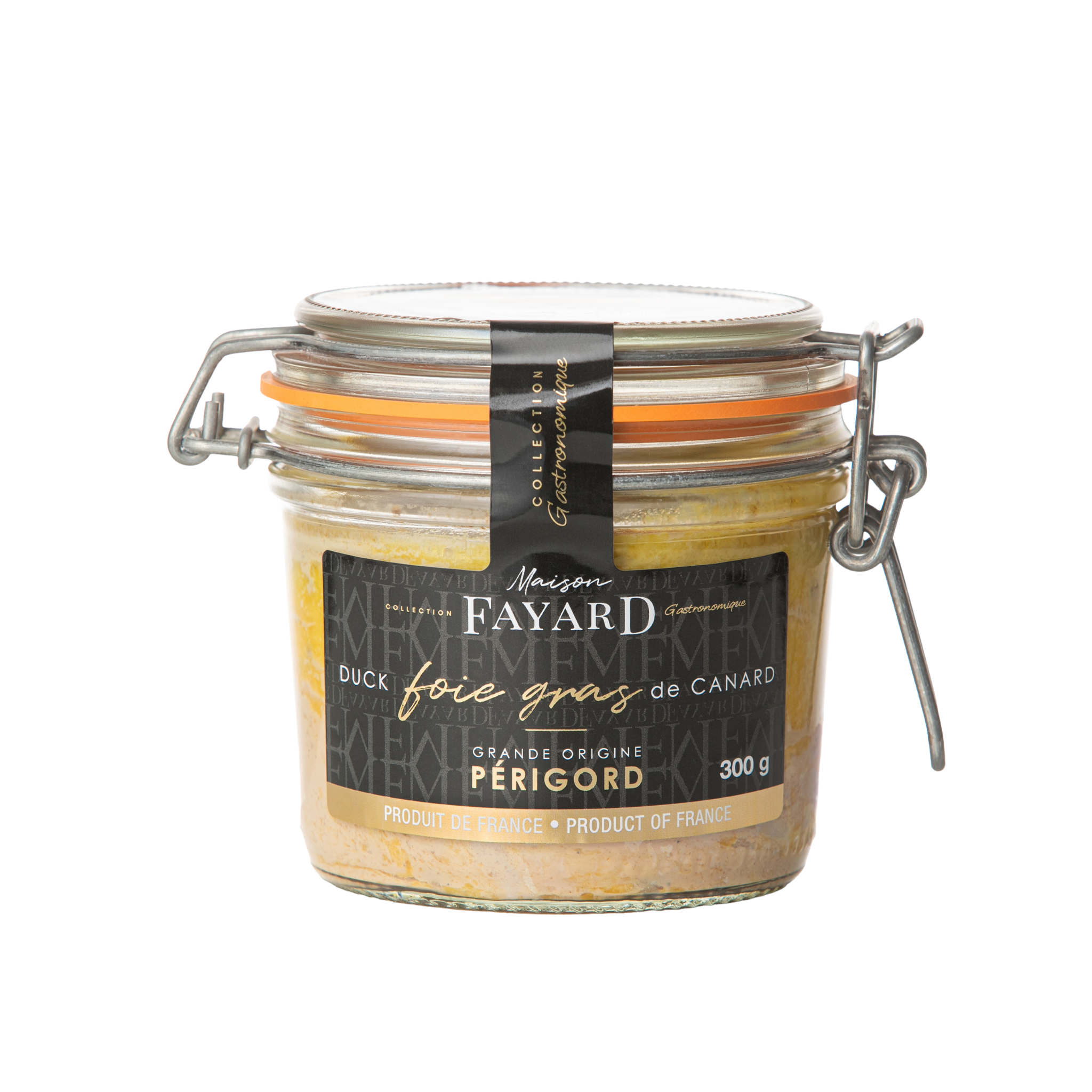
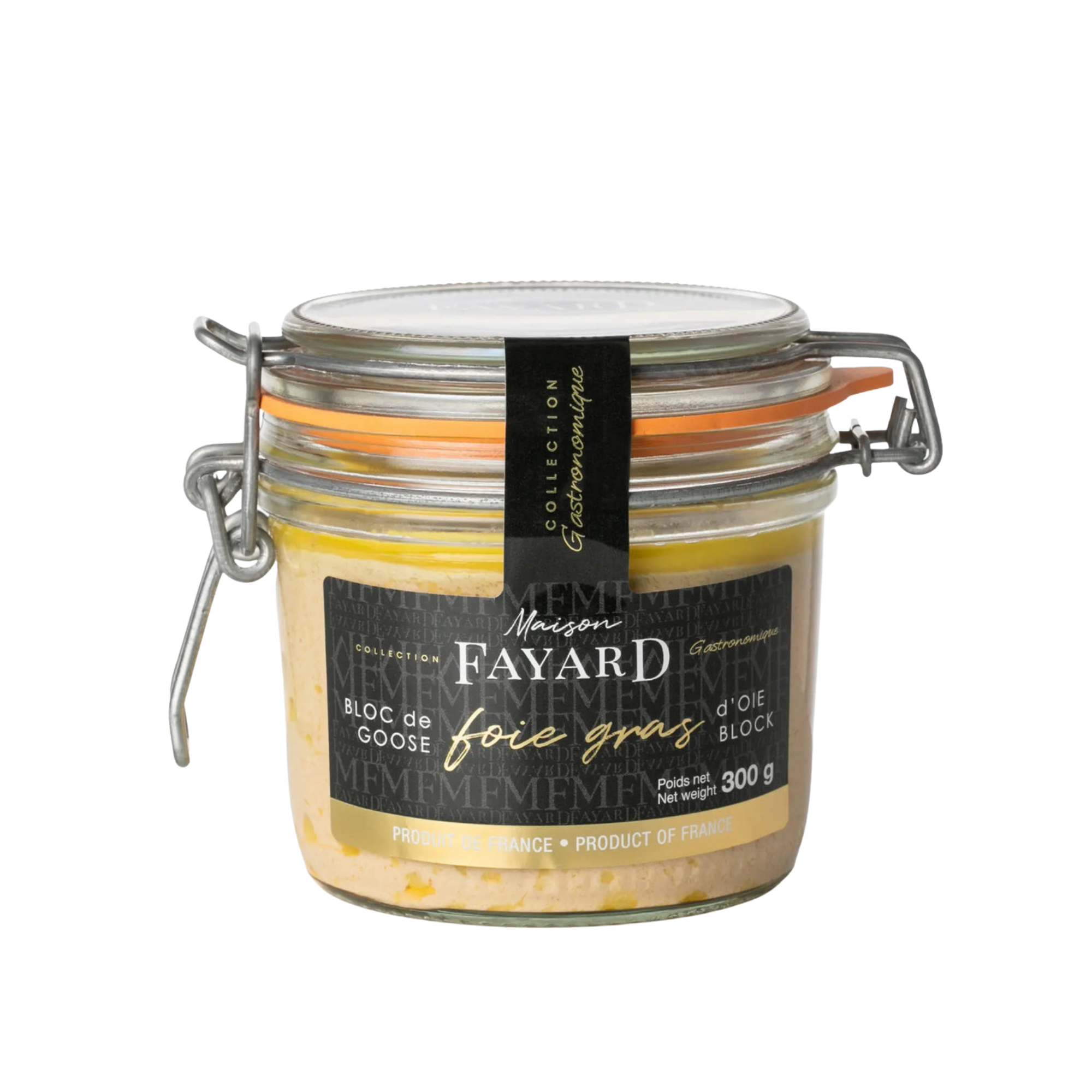
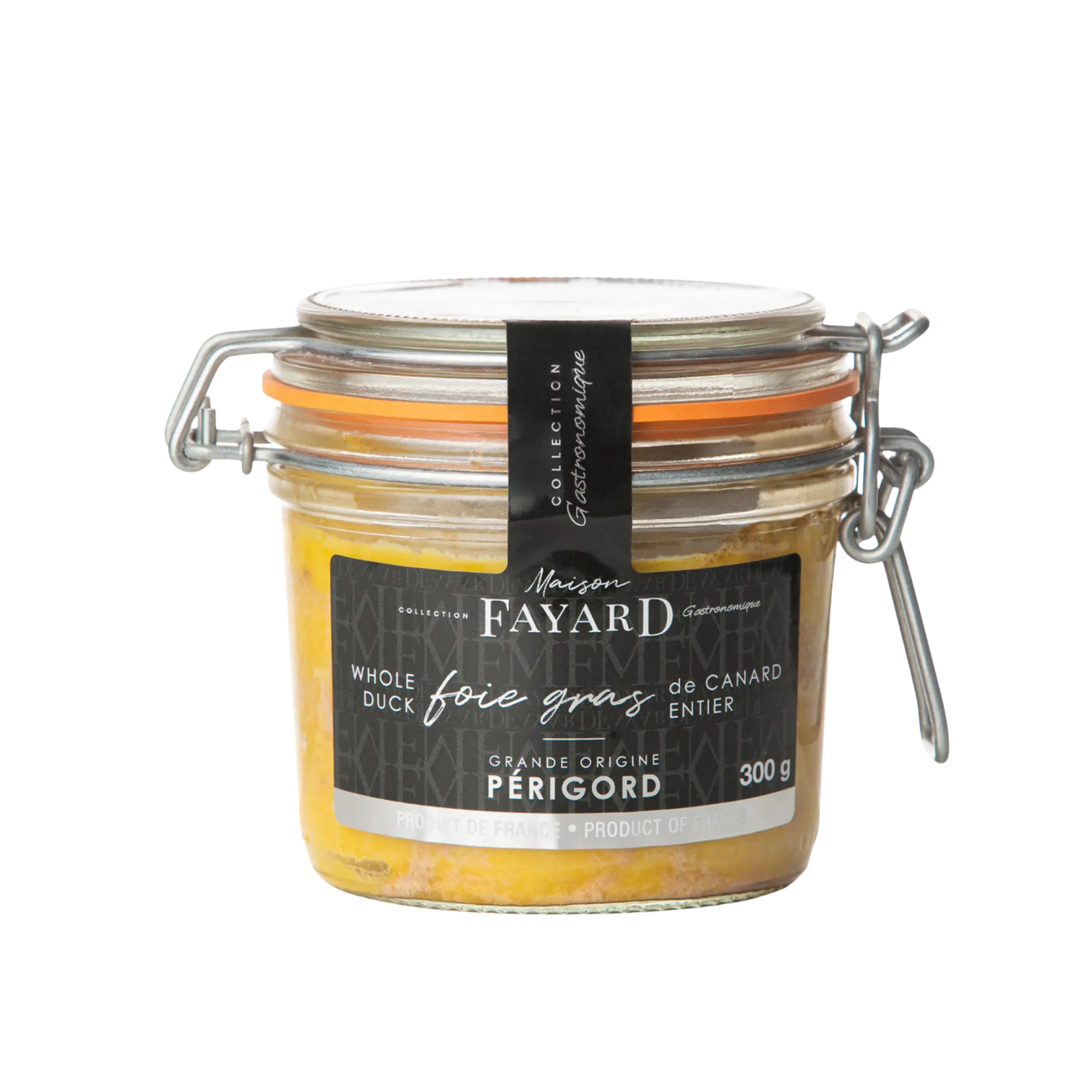
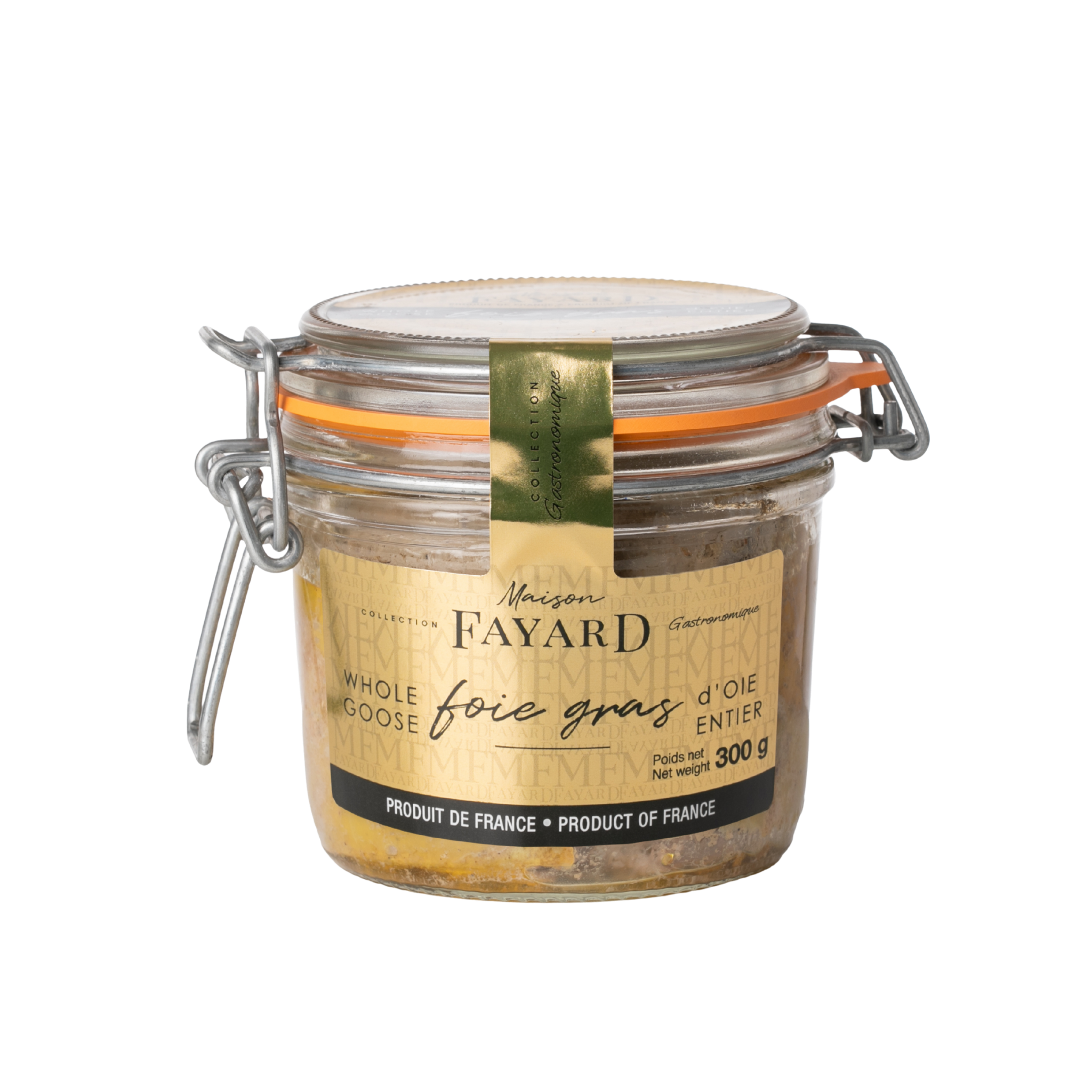
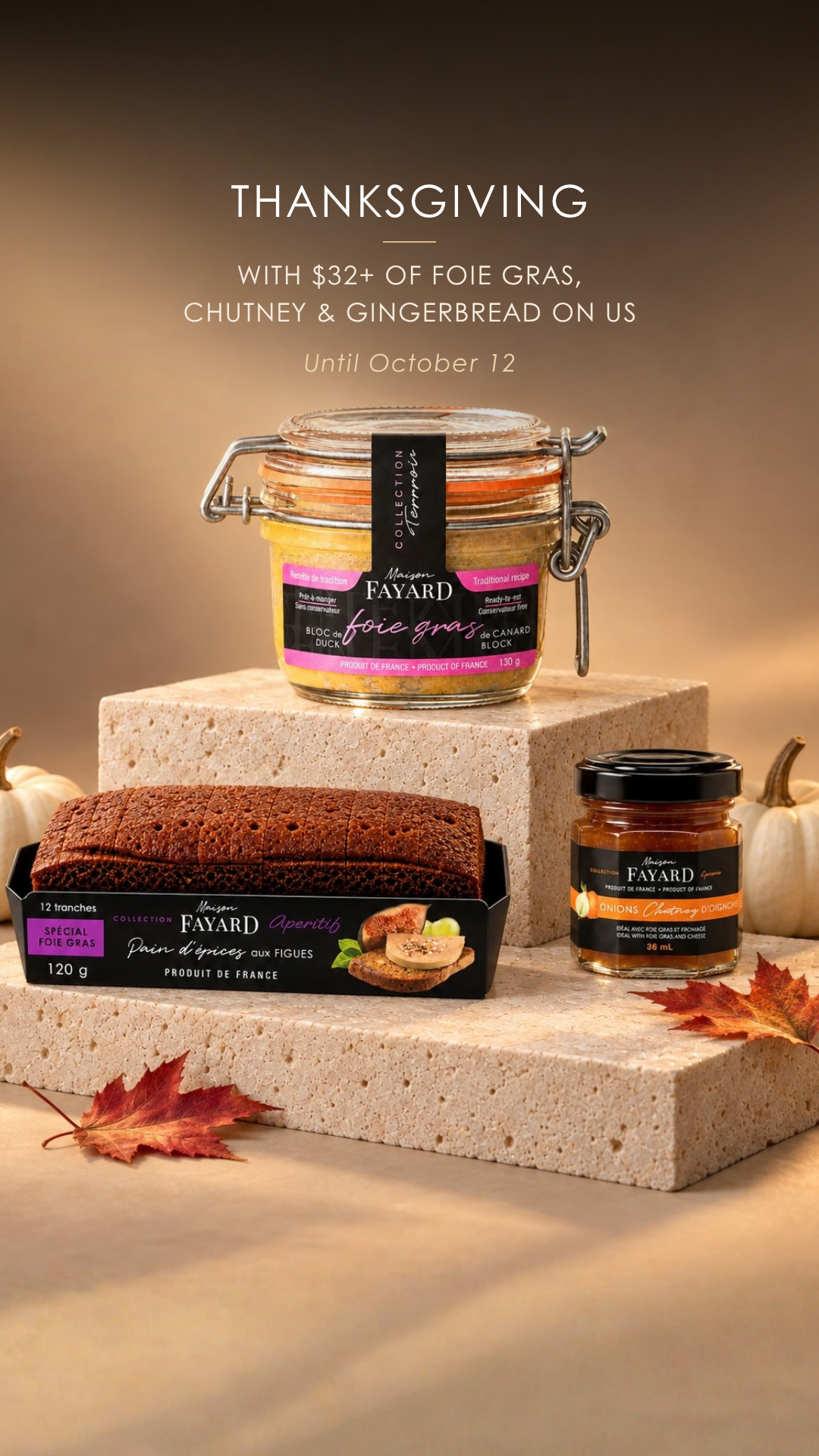
Between marinating, cooking and resting, a homemade terrine takes three days of planning. Our whole Périgord duck foie gras in a jar offers the same nobility, ready to slice. Purists will choose our duck foie gras cooked au torchon, and lovers of finesse our whole goose foie gras.
To learn more, discover our foie gras torchon recipe, our guide what is foie gras and our ideas for serving foie gras.
FAQ
What core temperature for mi-cuit foie gras?
Aim for 55 °C (130 °F) at the centre for a melting, pink mi-cuit. Above 60 °C (140 °F), the foie gras becomes more cooked and loses more fat.
How far ahead should you make a foie gras terrine?
Make it 3 to 4 days before the meal: 12 hours of marinating, the cooking, then at least 48 hours of resting in the refrigerator.
How long does homemade foie gras terrine keep?
About 7 days in the refrigerator, protected by its layer of fat. Once cut, cover the cut surface with plastic wrap and eat it quickly.
What alcohol goes in a foie gras terrine?
A sweet wine such as Sauternes or white port, or Armagnac for a stronger note. The alcohol is optional.